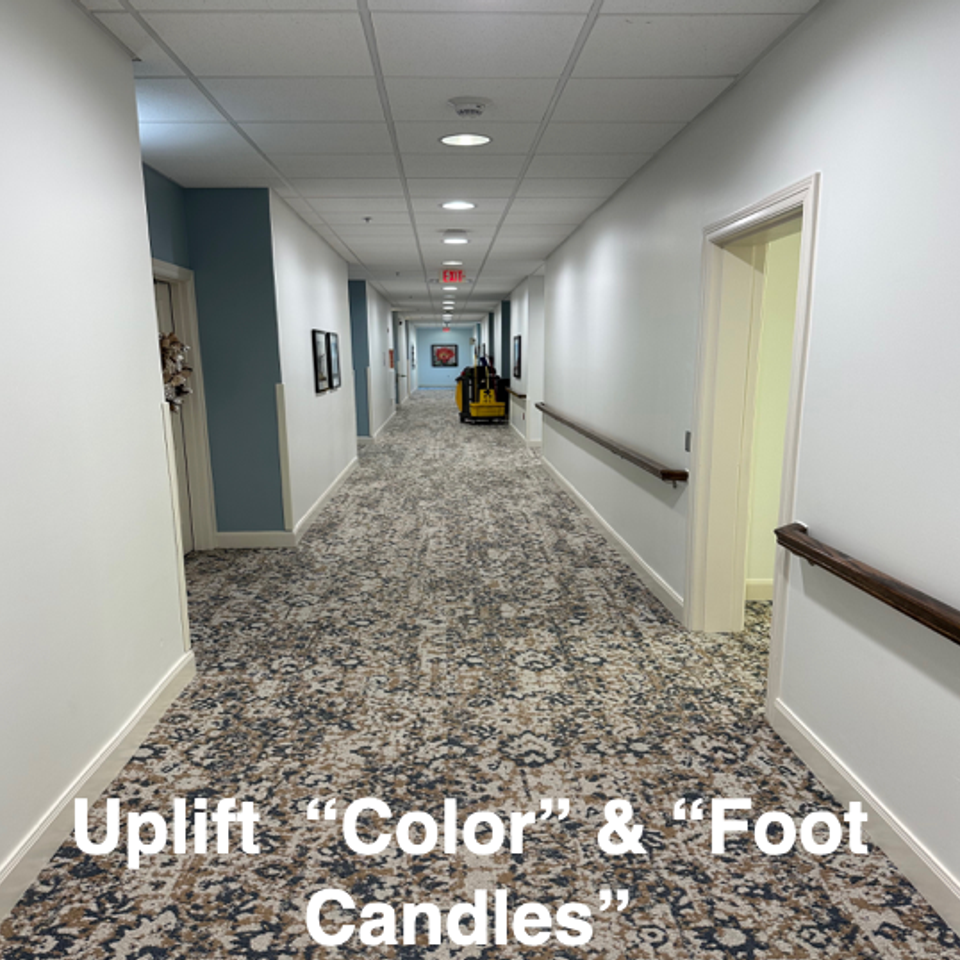
At Blue Sky E3 Partners, we understand that energy efficiency in senior living isn’t just about costs — it’s about resident comfort, indoor air quality, safety, staff workload, and regulatory compliance. Our solutions focus on senior living communities, assisted living, memory care, and long-term care facilities.
Energy efficiency in senior living is no longer just a facilities concern — it’s a capital strategy. Across senior living portfolios, three HVAC system categories present the largest opportunities to reduce operating costs, lower capital risk, and enhance long-term asset value:
1. PTAC / PTHP Systems (Residential Units)
• Legacy units typically have a 5–10 year lifespan, rely on resistance heating, offer limited ventilation, and require frequent maintenance.
• Modern inverter-driven PTHPs can reduce energy use by 40–60% compared to traditional resistance-based PTACs, and deliver quieter, more comfortable rooms for residents.
• Provide improved humidity control, ventilation, and resident comfort.
• Many incentive programs can offset or fully cover incremental upgrade costs.
2. 3–5 Ton Split Systems & Small Rooftop Units
• Often operated beyond their expected useful life and replaced only upon failure.
• Improve air quality and lower peak cooling stress — critical for areas like dining, fitness, and gathering spaces.
• Modern systems use roughly 60% of the energy of legacy units.
• Reduce peak demand exposure and improve part-load performance.
• Strategically deployed systems can qualify for significant rebates.
3. Large Commercial Rooftop Units (Common Areas)
• Serve dining areas, corridors, fitness centers, and other shared spaces.
• Historically high energy intensity and maintenance costs.
• Modern upgrades include variable-speed compressors, ECM fan motors, VAV capability, and demand-control ventilation.
• Typical results include 20–40% energy reduction and improved indoor air quality.
Our Integrated Approach
• Engineering-based portfolio assessment to identify the highest-impact opportunities.
• Incentive aggregation and rebate maximization to offset upgrade costs.
• Phased capital forecasting for strategic budgeting.
• Full implementation and commissioning for seamless deployment and ongoing performance.